

The work.

Here's a sampling of the work — development, advisory, and the places where those two things are inseparable.
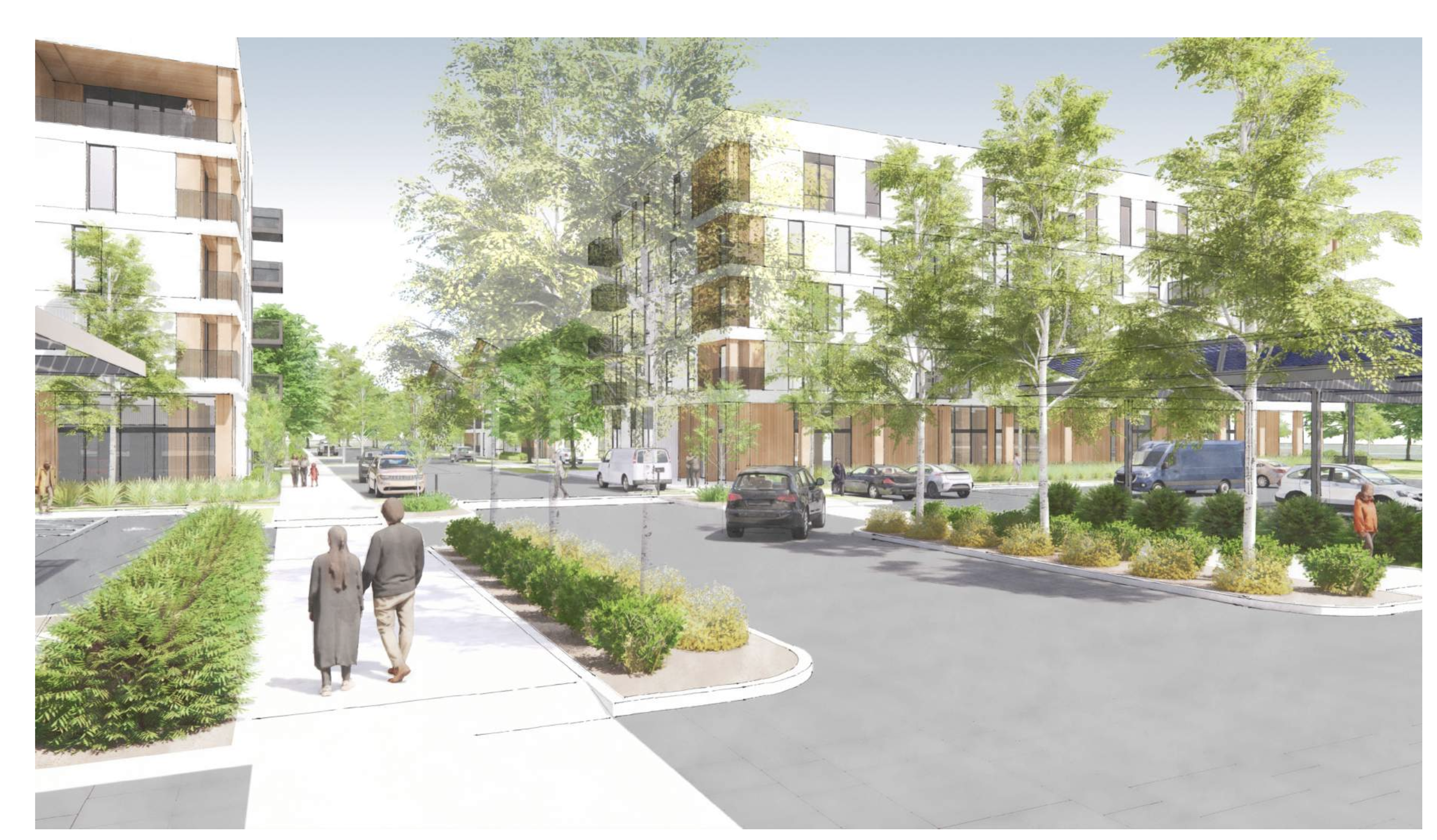
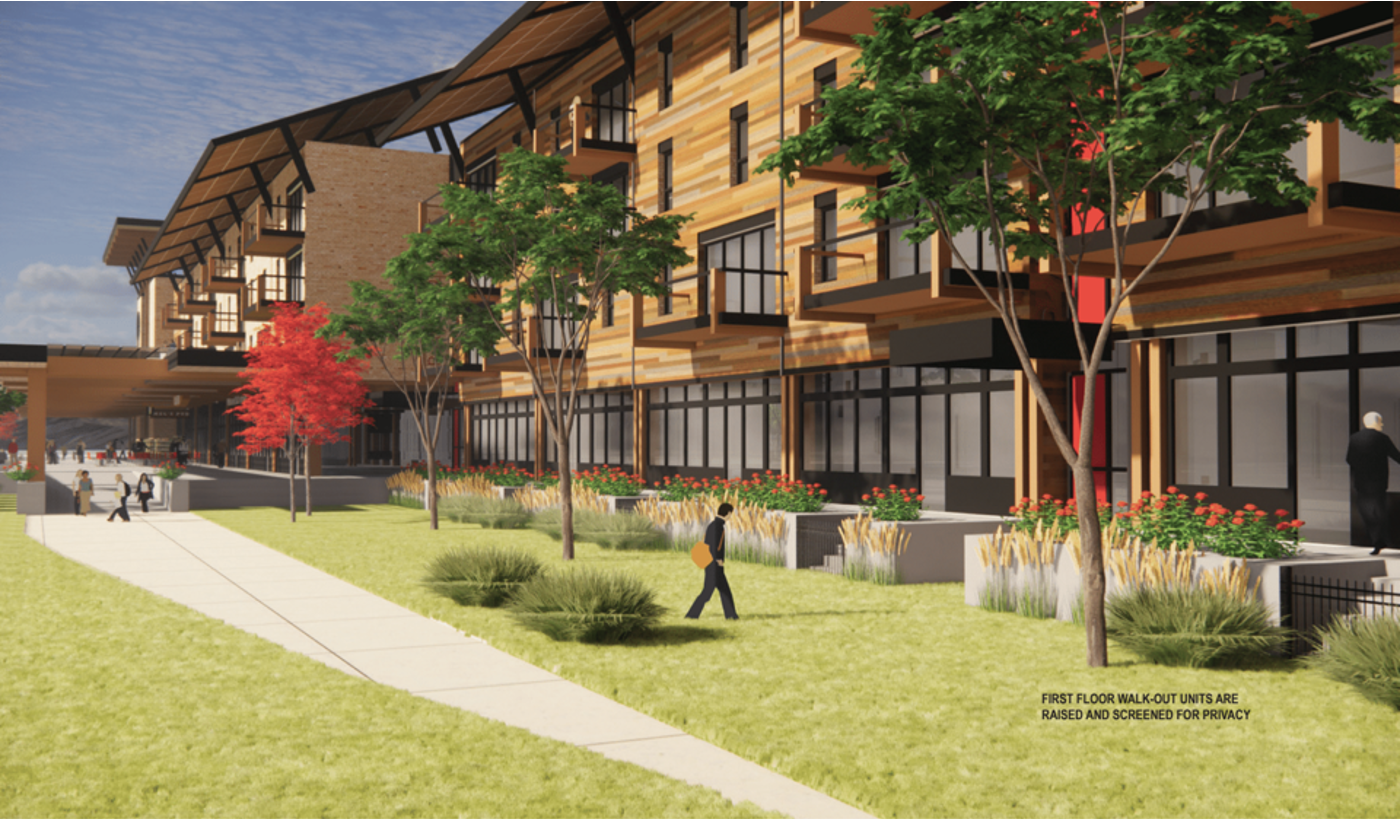
Parkline Yards - Kalispell, Montana. Active development · Ground-up mixed use · Opportunity Zone
Most investors aren't looking at Kalispell. They're looking at the same markets, the same asset classes, the same deal structures — applying conventional thinking to opportunities that have already been priced. Most investors know intuitively they should be finding non-consensus opportunities to drive outsized returns, and yet most capital gravitates toward the familiar. Established names. Known geographies. Already-priced markets.
Kalispell is none of those things. Which is exactly why we're building here.
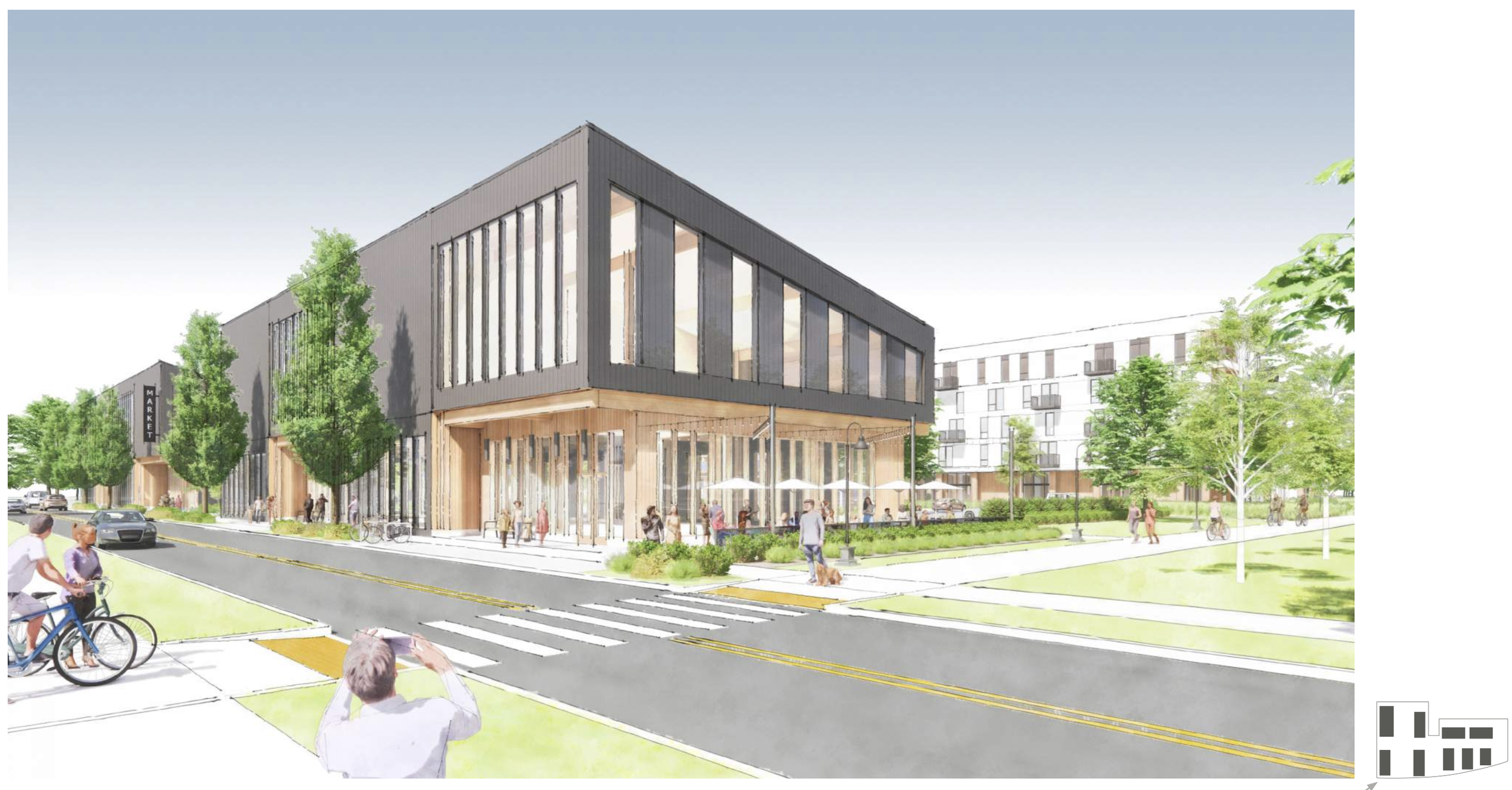
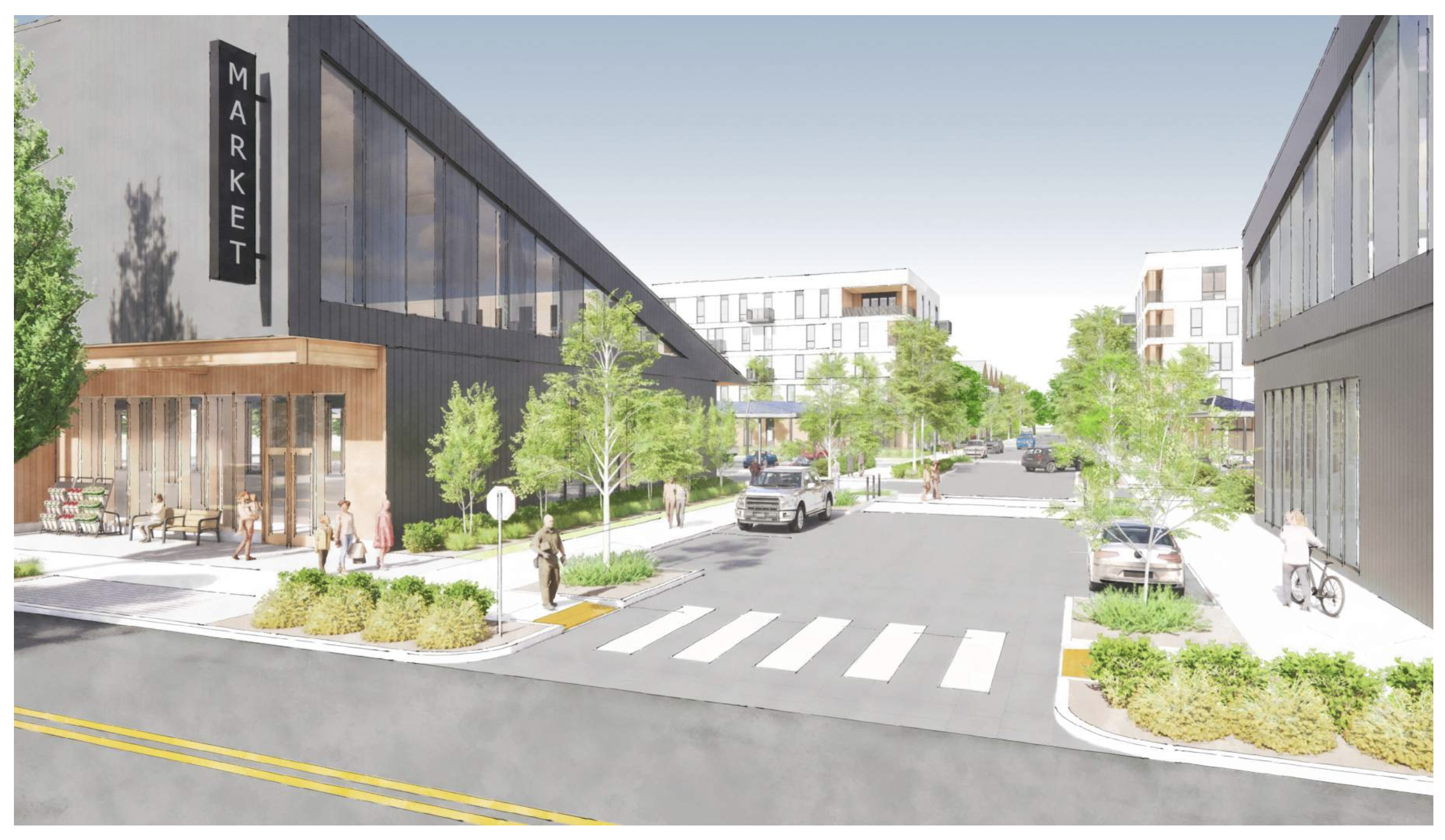
Parkline Yards is a 150,000 SF targeted net-zero, mass timber mixed-use development on a brownfield infill site in downtown Kalispell. Supply-constrained market. Strong employment fundamentals. Active Opportunity Zone designation. A site that required environmental remediation before construction could begin — the kind of complexity that keeps conventional capital on the sidelines, and creates the conditions for durable returns when you know how to navigate it.
HaydenTanner is leading this project from the ground up: acquisition, environmental remediation, capital formation, construction management, architectural pre-development, and tenant curation. We structured the Glacier Opportunity Zone Fund alongside the project — a Reg D private placement with full SPE architecture, investment memorandum, and ongoing fund management. This isn't a fee assignment. We have conviction in this market and our capital is alongside yours.
OZ investors - this project is structured for your timeline. Start a conversation →
Deep Energy Retrofits — Building Renewal Advisory and investment analysis · Four CBD office buildings
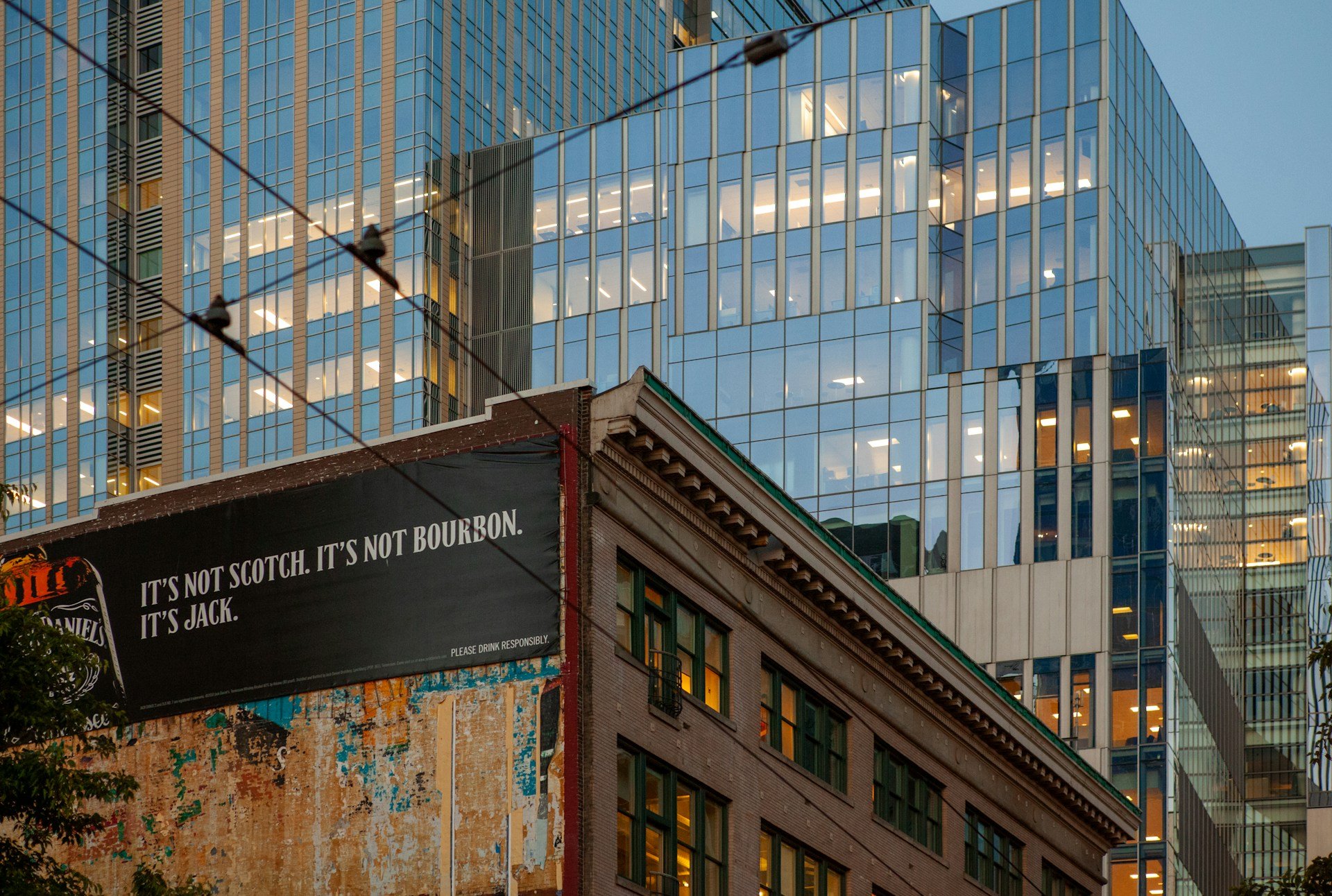
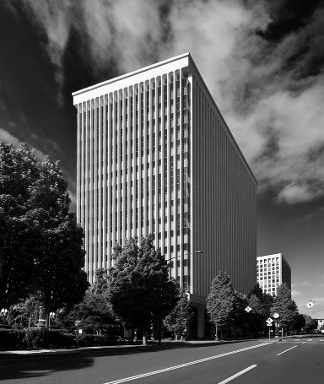
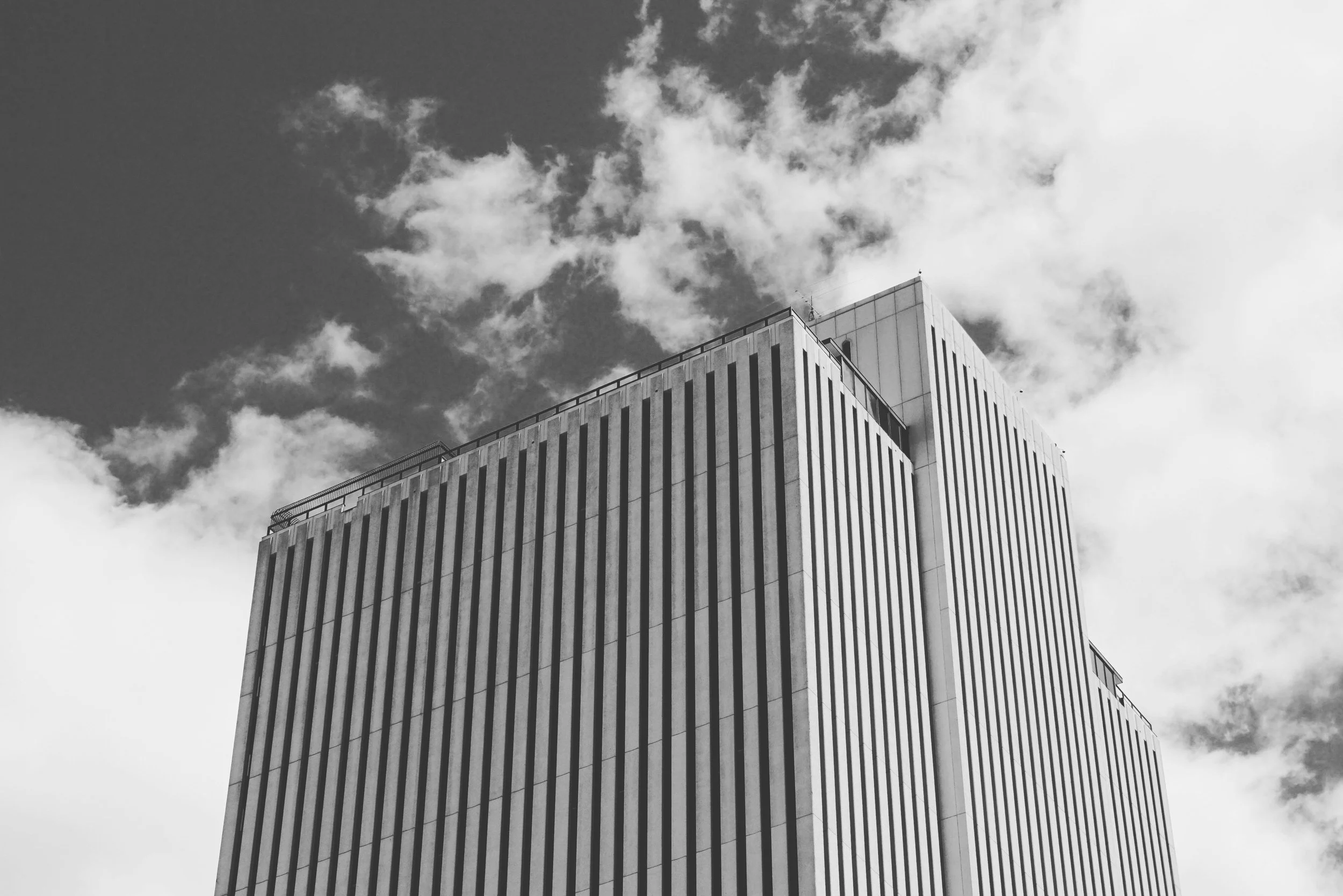
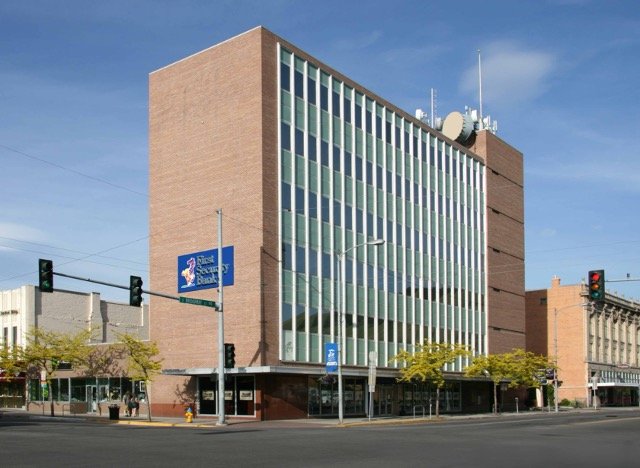
The question we asked in this engagement: what does it actually cost to bring an aging office building to high performance — and what does that investment return?
We provided value-add investment analyses and implementation plans for deep energy retrofits on four CBD office buildings ranging in age from 17 to 60+ years and 37,000 to 550,000 SF. The objective was to achieve 35-70% energy savings through an integrated design process, pragmatic financial decisions, and repositioning of assets.
The results:
• 41% - 55% energy cost and usage savings
• 16-41% investment returns
These aren't projections. They're what happened when you connect the right capital structure to the right building strategy and stay in it through implementation. From both a fiduciary and practical standpoint, the market is increasingly requiring this analysis — not as a sustainability exercise, but as a fundamental underwriting question.
Lloyd District — Portland, Oregon Triple bottom line analysis · Deep energy retrofit + ground-up development

Two adjacent projects in Portland's Lloyd District. The first: a deep energy retrofit of an existing 1970s office building that reduced energy use by more than 35%. The second: development of an adjacent 600+ unit multifamily LEED Platinum project conceived as an eco-district — a series of buildings that share sustainable energy, water, and waste infrastructure.
The project helped revitalize the neighborhood, reduced tenants' carbon footprints by nearly a third, and processes 100% of wastewater onsite. It contains the largest community water system and largest bike parking station in the country at the time of completion.
W
e analyzed the economic and social value of the sustainability attributes to the owner, the tenants, the neighborhood, and the city — including the cross-benefits of sustainable systems, green infrastructure, reduced sewer impact, carbon emissions, energy savings, job creation, and transit-oriented development. The question wasn't just whether it was the right thing to do. It was whether the numbers worked. They did.
Nelson Mandela Bay — South Africa Strategic advisory ·World Bank, South African National Treasury and the Urban Land Institute

Molly worked as part of a small multidisciplinary team on behalf of the World Bank and South African National Treasury to advise stakeholders on a vision for an area immediately adjacent to the Port Elizabeth CBD. The questions focused on linking the Baakens River and Valley to the Bay — utilizing natural assets and heritage sites, promoting economic development, environmental sustainability, and social infrastructure.
Significant aspects included aligning the vision and actions of a diverse stakeholder group and striking a balance between economic and social considerations. Recommendations included funding an arts and culture project, engaging the multi-heritage community through a range of outreach channels, humanizing the space to enhance walkability and security, the formation of two distinct business improvement districts, a focus on regeneration over new construction, fostering and creating housing in the CBD, and building strong coalitions and partnerships.
The market rarely lacks information. It lacks the capacity to synthesize it into a decision that diverse stakeholders can act on together. That's the work.
Every engagement starts with a conversation.
We take a small number of new clients each year. If you're working on a decision where the conventional analysis feels incomplete — or the right capital, the right structure, or the right story isn't coming together — that's exactly where we do our best work.